Passionate about wildlife conservation? We’re hiring! Get in touch to explore opportunities with HAR.
Project
Today, HAR’s diverse team works with global partners to create lasting ecological change.


About The Project
About the project
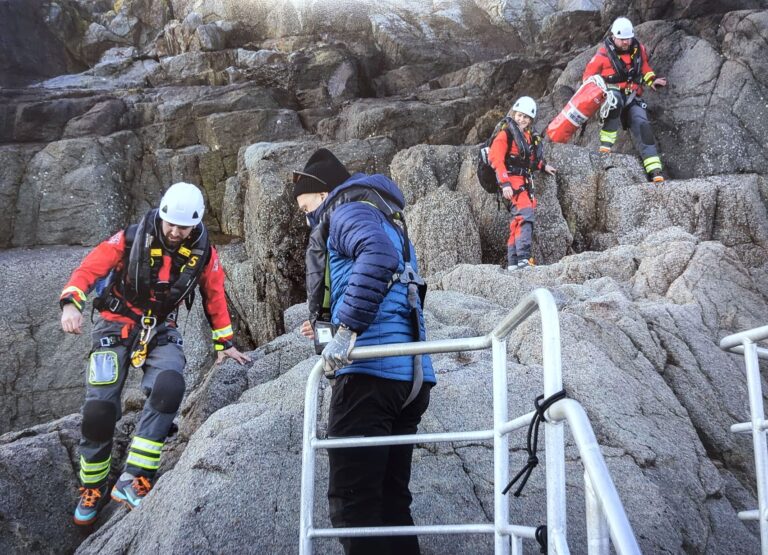
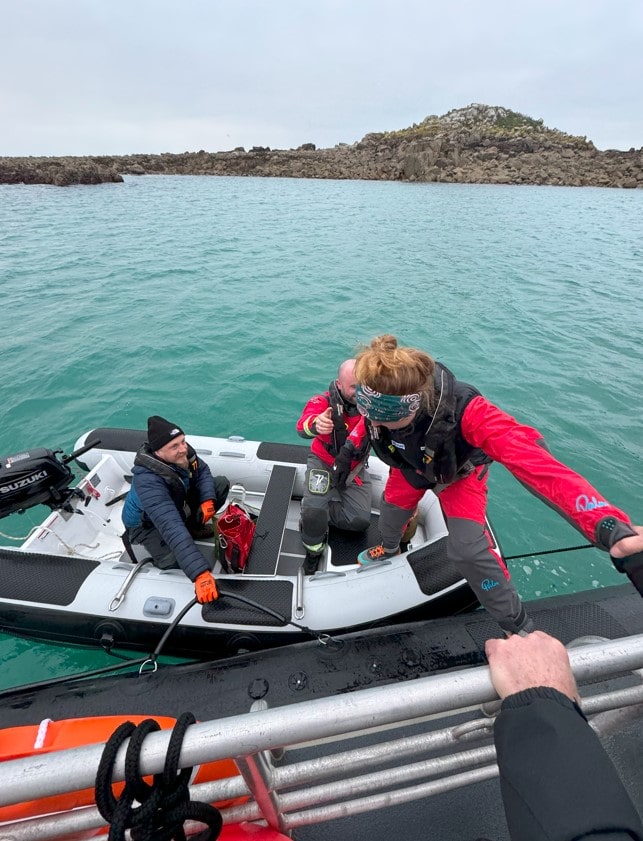
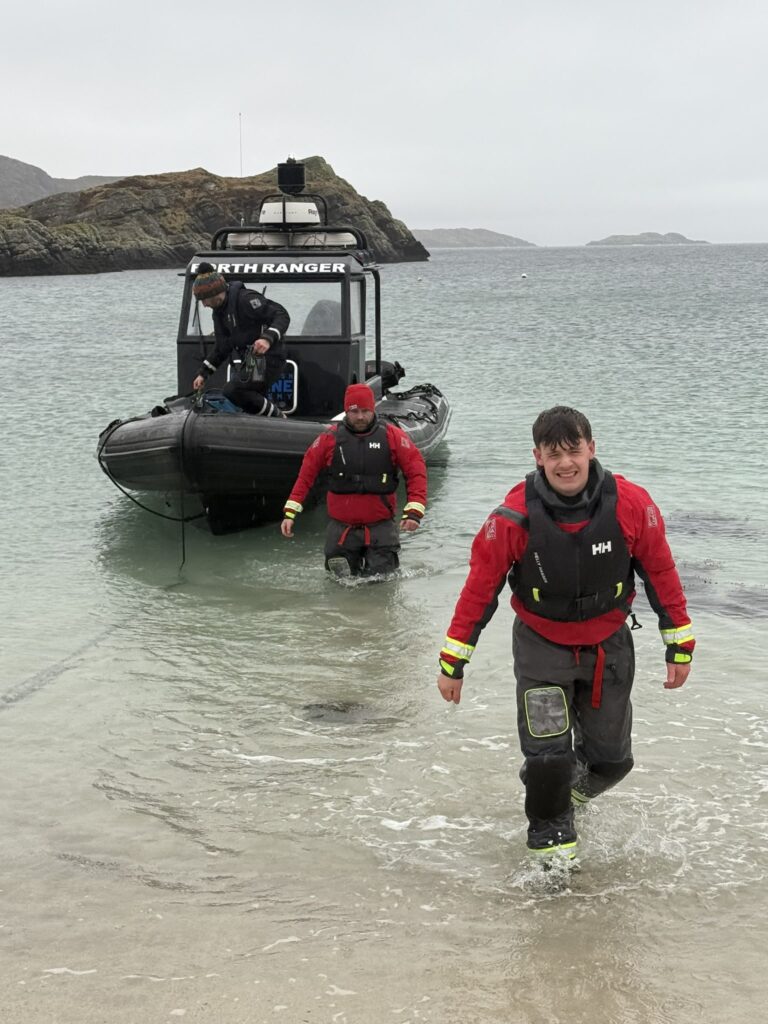
The Seabird Restoration Project (SRP) has been established with the ambitious goal of eradicating rats, which are an invasive non-native predatory species, from L’Etac de Sark (off the southern tip of Little Sark), and the Twin Sisters stacks off the west coast of Alderney, while promoting long-term conservation and stewardship of the region’s unique seabird heritage.
As humans introduced these invasive predatory
species in the first place, the responsibility falls on us to remove them from the ecosystem. By doing this, the hope is to restore a more natural balance and create the conditions seabirds need to thrive.
HAR is delivering the SRP supported by Ørsted as part of their environmental compensation measure and in partnership with Alderney Wildlife Trust Enterprises (AWTE).
Project Vision
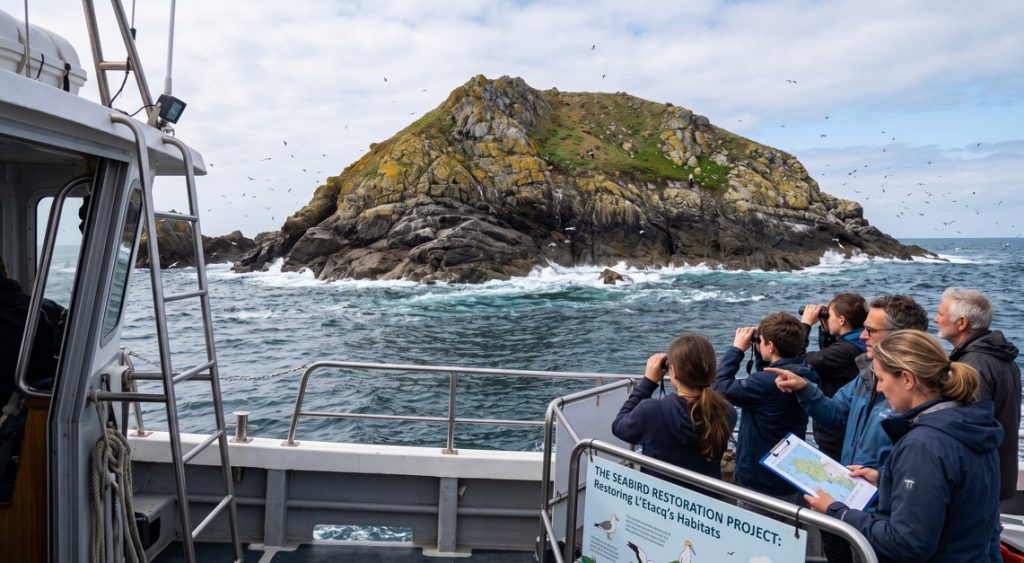
The Seabird Restoration Project aims to create thriving, predator-free island habitats where seabird colonies can recover and flourish. By restoring these globally important ecosystems, the project will help safeguard biodiversity, strengthen connections between communities and nature, and inspire future generations to value, protect, and champion the Channel Islands’ unique seabird heritage.
Project Strategy
The SRP supports the delivery of an environmental compensation measure for Ørsted’s Hornsea Four Offshore Wind
Farm which will be constructed off the east coast of England. Alongside Ørsted, we hope to ensure our planet can support future generations through clean energy and thriving biodiversity. We aim to increase the number of rat-free
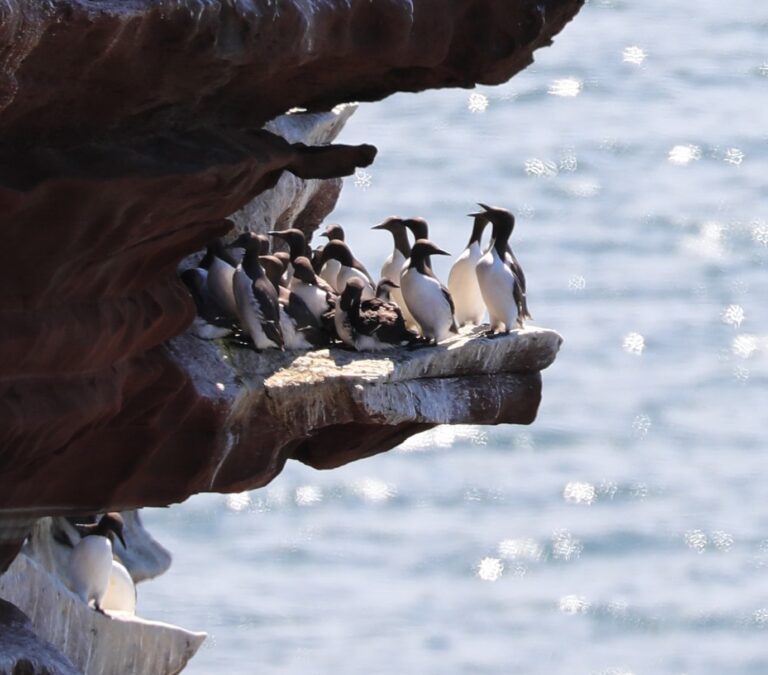
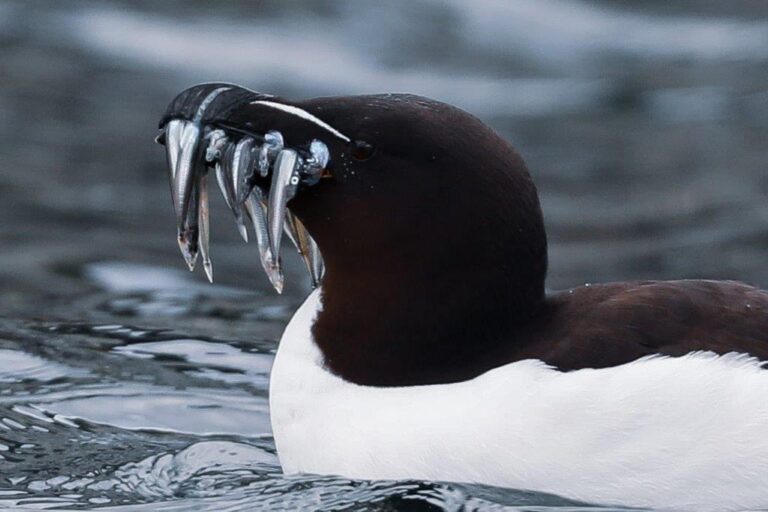
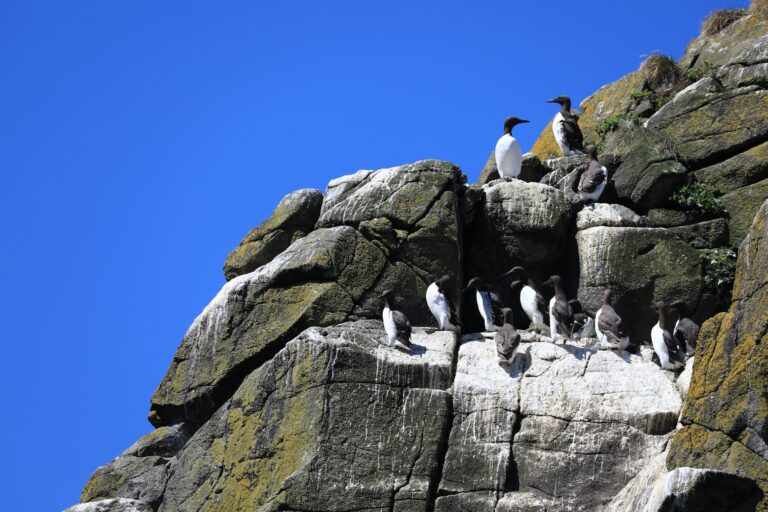
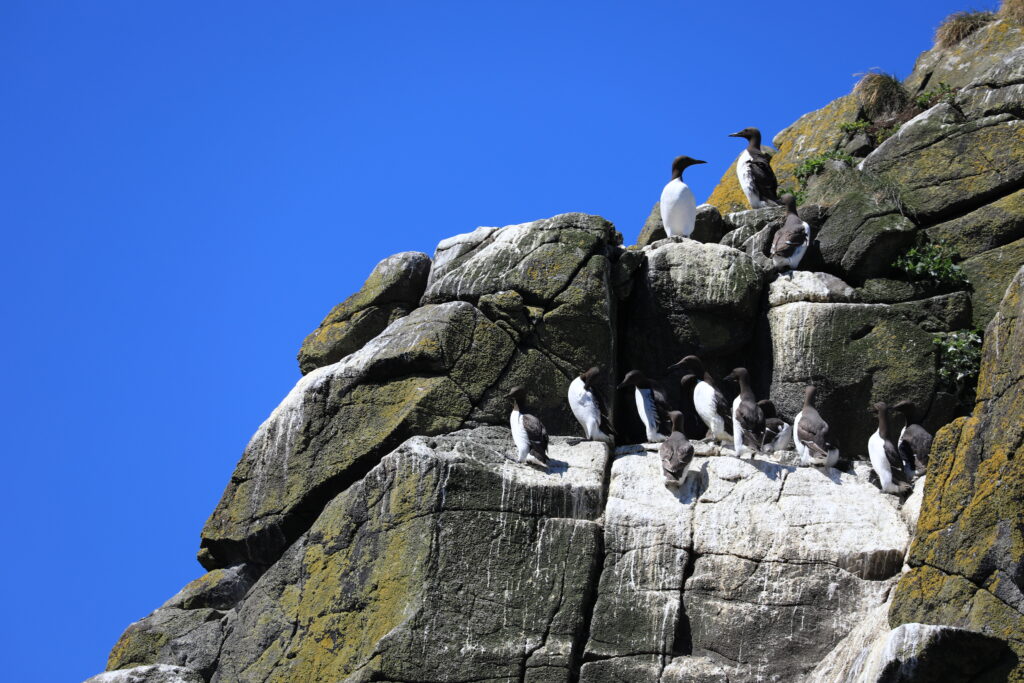
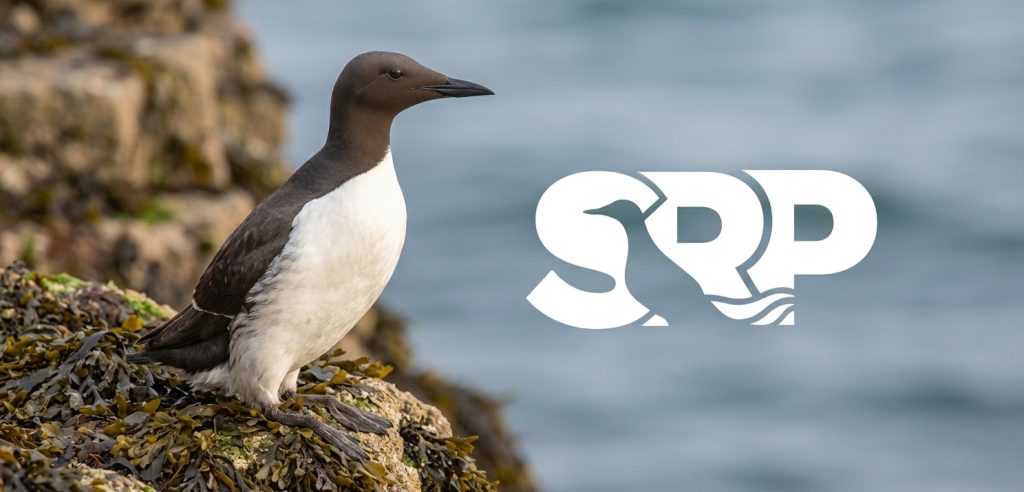
nesting sites that will allow the guillemot population to grow, subsequently adding guillemots to the UK’s National Site Network (a network of protected sites designated under the EU Habitats and Birds’ Directives).
L’Etac de Sark
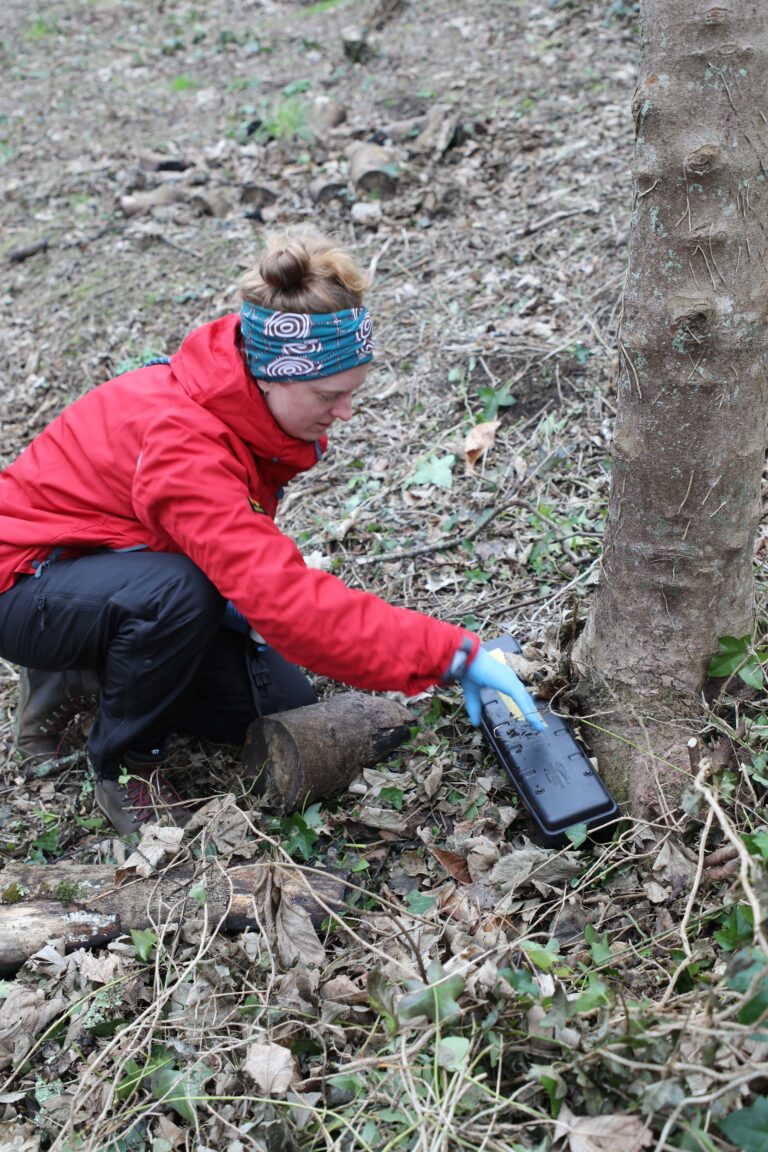
Across L’Etac de Sark, bait will be placed in secure bait stations set out in a 25x25m grid. Only approved rodenticides will be used, following a full environmental risk assessment and approval from the States of Guernsey Health and Safety Department.
Twin Sisters
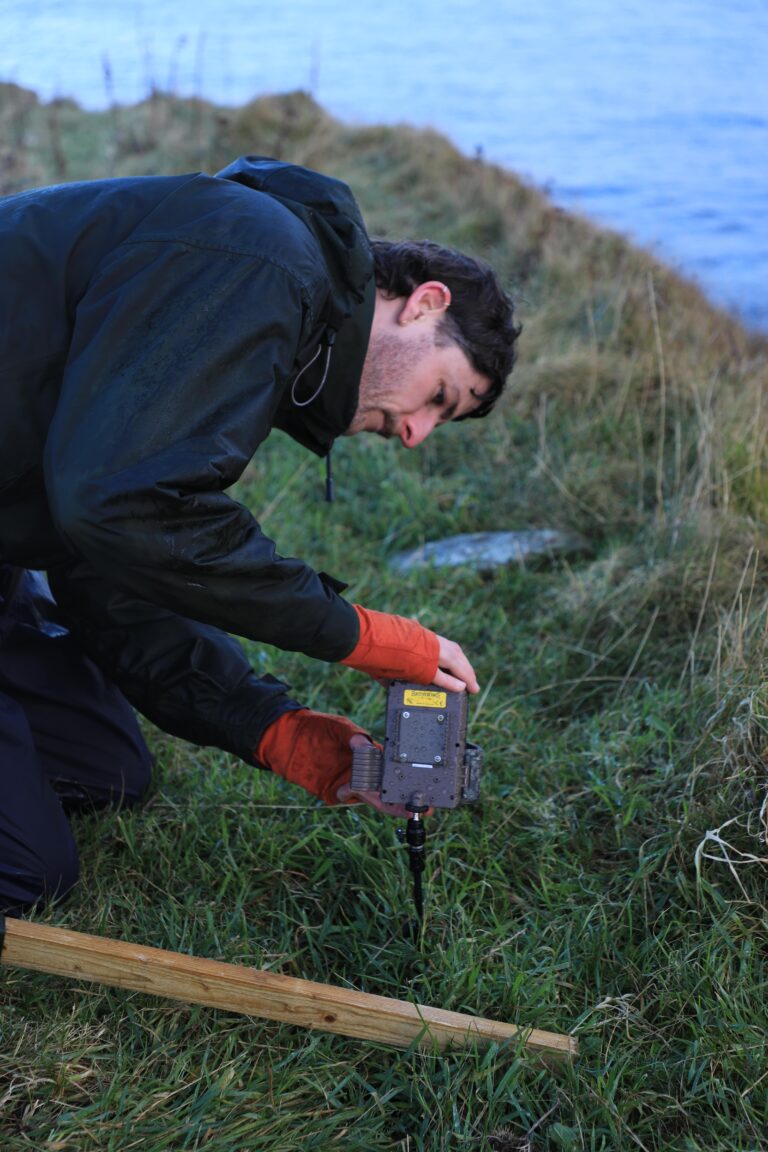
Due to their proximity to Alderney, the Twin Sisters project will focus on rat suppression rather than full eradication. Long-term control measures will include camera traps, audio recorders, and species-specific trapping. Short periods of rodenticide treatment may also be used when needed. Further details on the 2027 programme will be shared closer to the time.
.
The initial eradication phase on L’Etac is planned for October 2026 to March 2027, with the Twin Sisters elimination phase running from October 2027 to March 2028. These phases will use rodenticide to remove rats, followed by monitoring to check for any remaining or returning populations. If needed, treatment may be repeated the following year, although this is considered unlikely.
A two-year monitoring period will follow before rat-free status can be confirmed. Once achieved, the focus will move to long-term monitoring and biosecurity.
We expect L’Etac to be declared rat-free in early 2029, with the Twin Sisters achieving and maintaining a sustained no-detection state for rats.
Yes, there have been hundreds of successful eradications worldwide, including several in the UK. For example, Lundy Island had only 13 puffins before the eradication. Two decades later, the population had skyrocketed to 1,300— 100-fold increase!! Another example comes from St Agnes and Gugh in the Isles of Scilly where their populations of Manx shearwater increased 250% since rats were removed
Rats may feed on a variety of natural food sources on the islands, including seabirds, eggs and chicks where available. Winter is the preferred period for eradication because breeding seabirds are absent, non-target wildlife is present in lower numbers, and alternative food sources are generally scarcer. These factors increase bait uptake by rats, reduce non-target risks, and improve the likelihood of a successful eradication outcome.
We will take special care to develop approaches that keep poison and poisoned carcasses away from native predators. All bait stations will be securely locked, making direct access to the bait difficult. The project team will conduct regular, thorough ground sweeps to ensure that no rodenticide has become loose and fallen out of the designated bait stations. Any rat carcasses found on the ground will be promptly removed to prevent secondary poisoning.
The benefits of the SRP extend beyond biodiversity metrics. While our primary focus is to improve the resilience and long-term viability of important seabird colonies, the project also seeks to strengthen connections between local communities and the Channel Islands’ important wildlife and natural heritage. Through conservation, restoration and monitoring activities, the project provides opportunities to foster a greater sense of stewardship, helping communities to engage with and take pride in the protection of their unique coastal and island environments. Investment in restoration and long-term monitoring activities will also support local employment opportunities, capability and skills development, and enable knowledge exchange among local communities
If you would like to learn more about the project, please view the Ørsted project document.
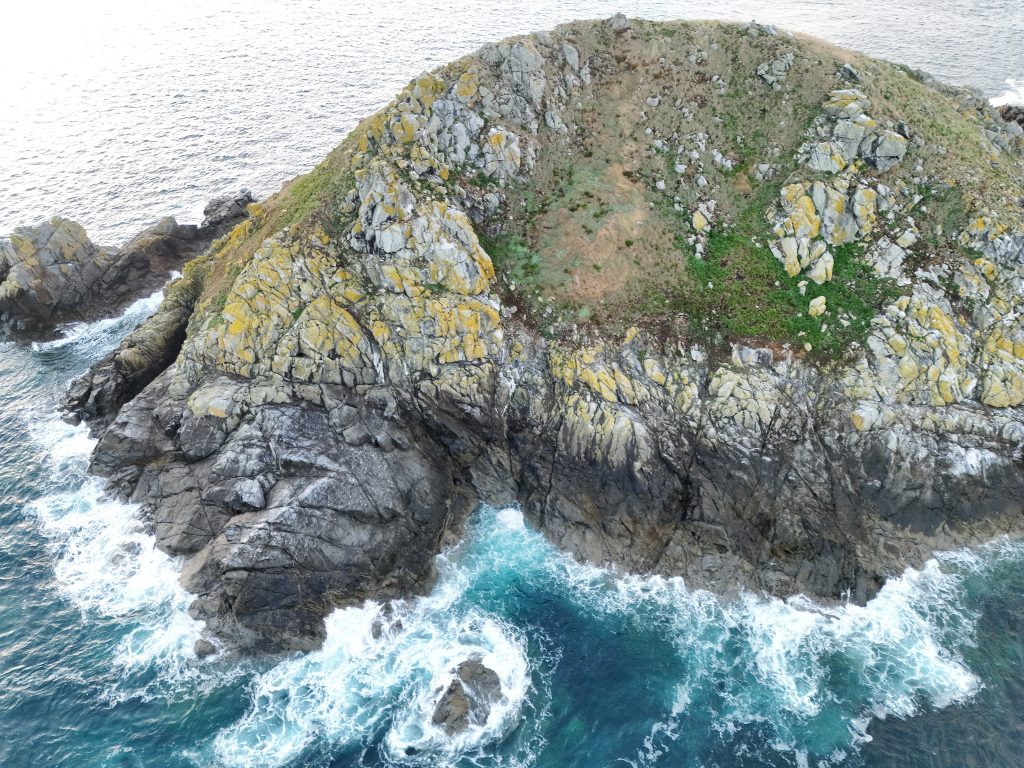
Project Location
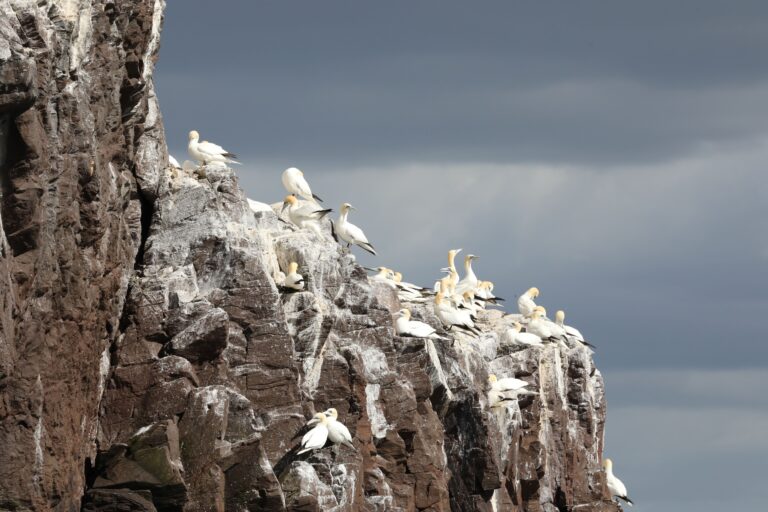
Both Alderney & L’Etac de Sark are located in the Bailiwick of Guernsey. The region is renowned for its rich seabird populations, including puffins, Manx shearwaters, common guillemots, and storm petrels. This region is crucial for breeding seabird populations.
However, seabird populations are declining worldwide, and the Bailiwick of Guernsey is no exception. The recent State of Nature 2024 report from the Guernsey Nature Commission highlights invasive species, particularly rats, as a leading cause of extinction of seabirds on islands. Rats prey on seabird eggs and chicks, severely impacting vulnerable species.
Project Strategy

Delivered By

Supported By

JOIN THE TEAM
JOIN THE TEAM
We believe that restoring biodiversity is essential to reducing climate change and securing a thriving planet for future generations. If you have a similar mindset and are interested in joining us then please get in touch.