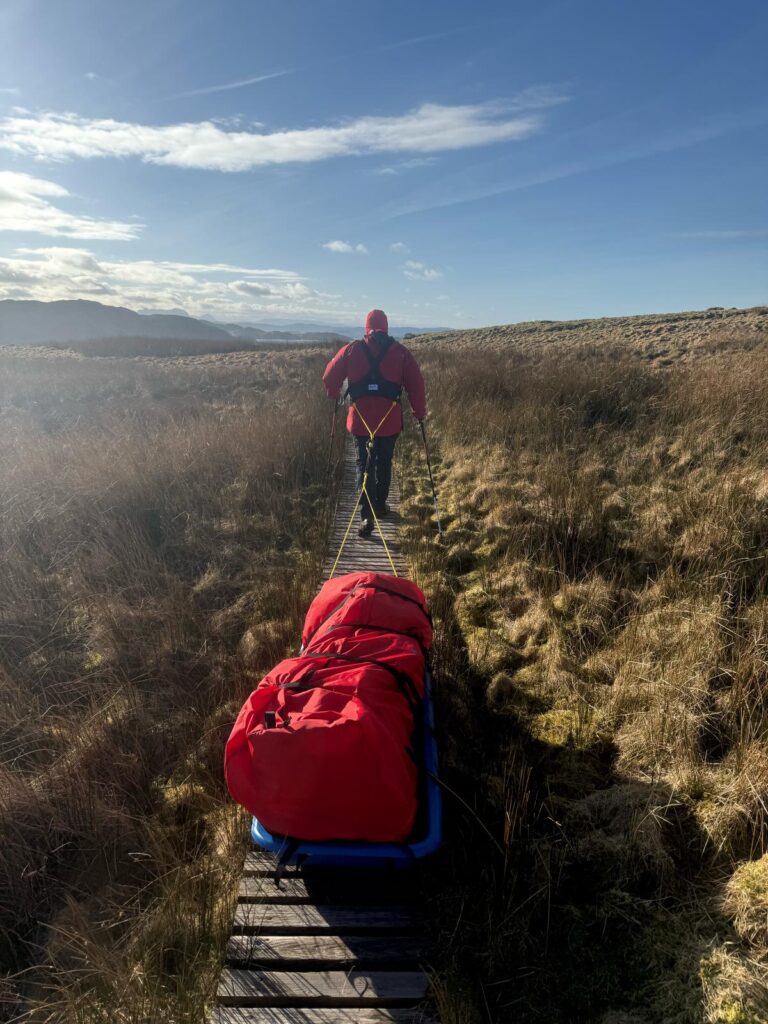
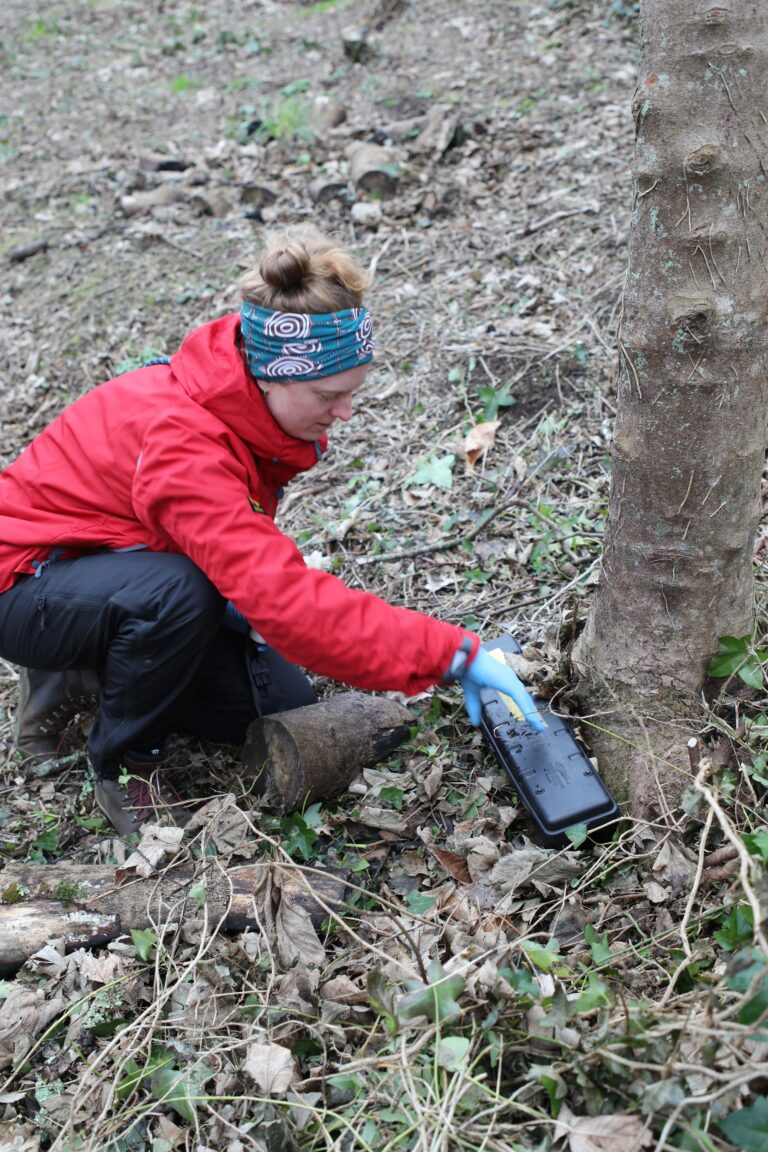
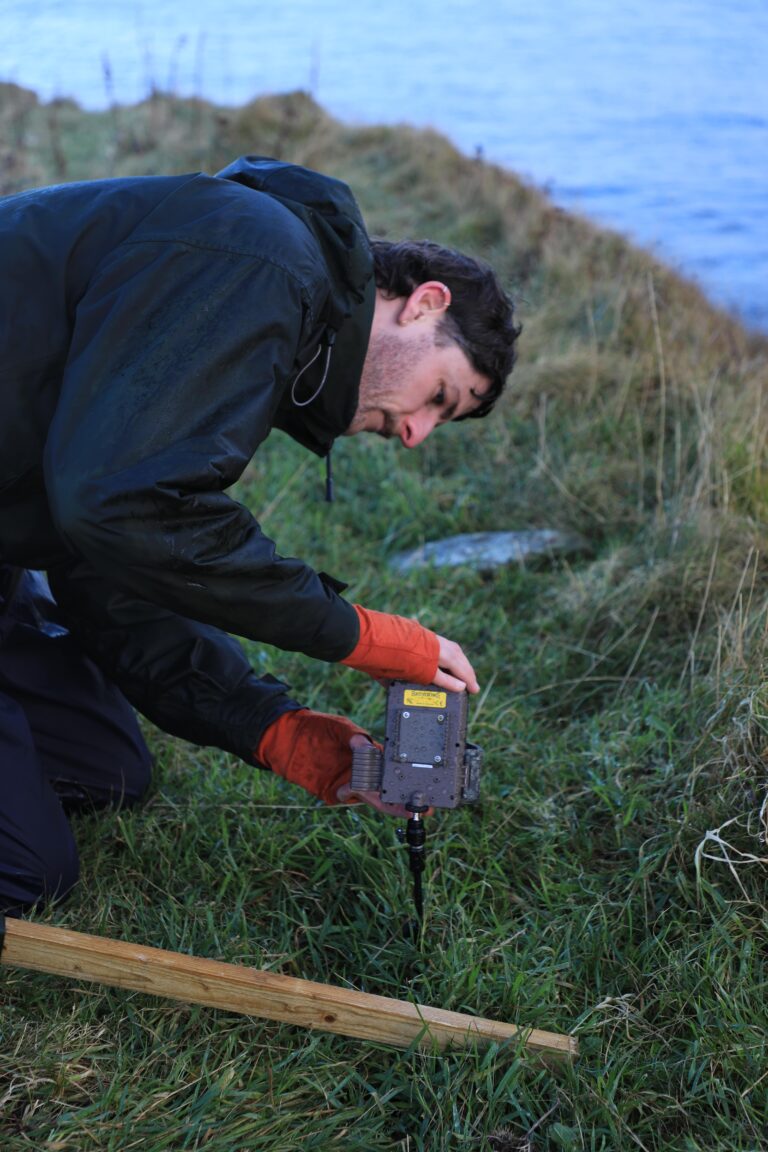
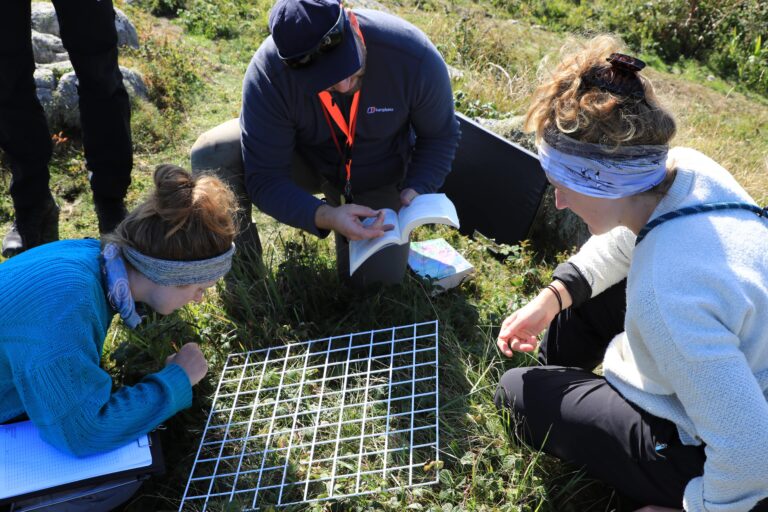
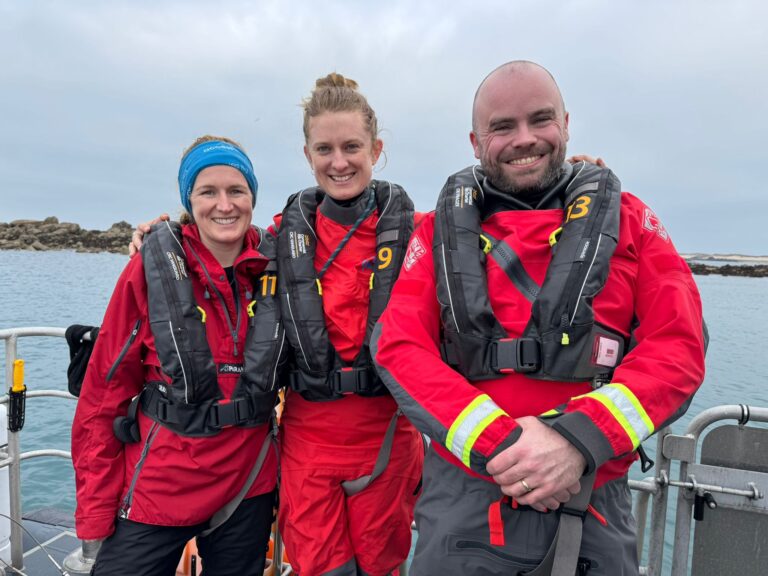
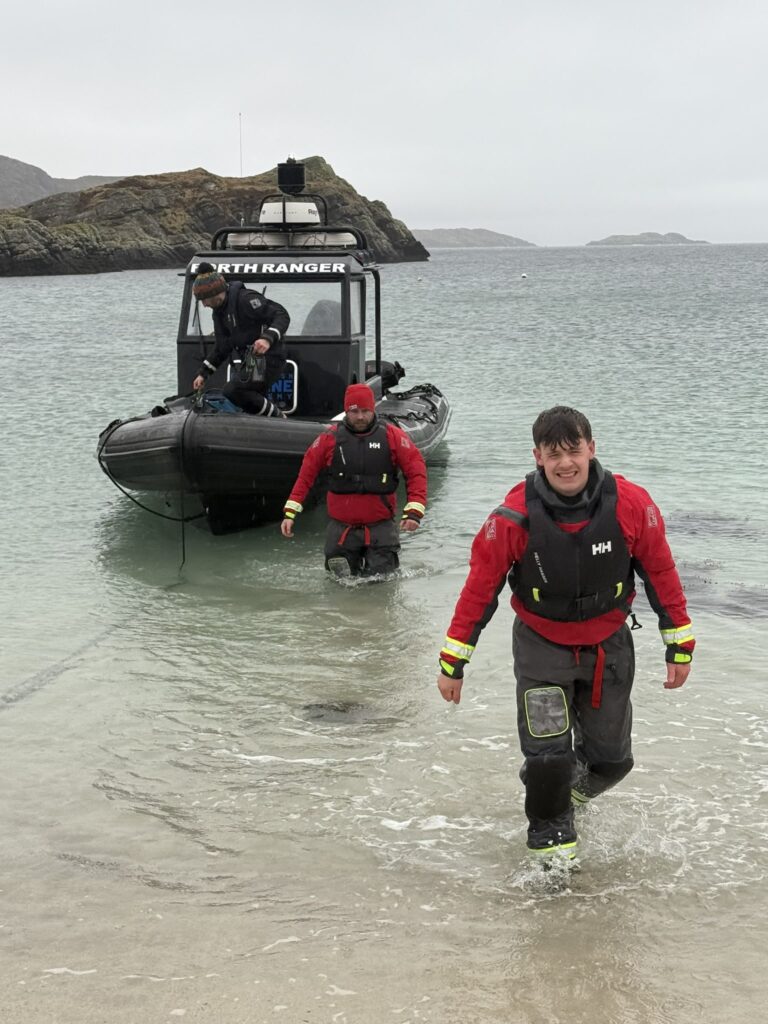
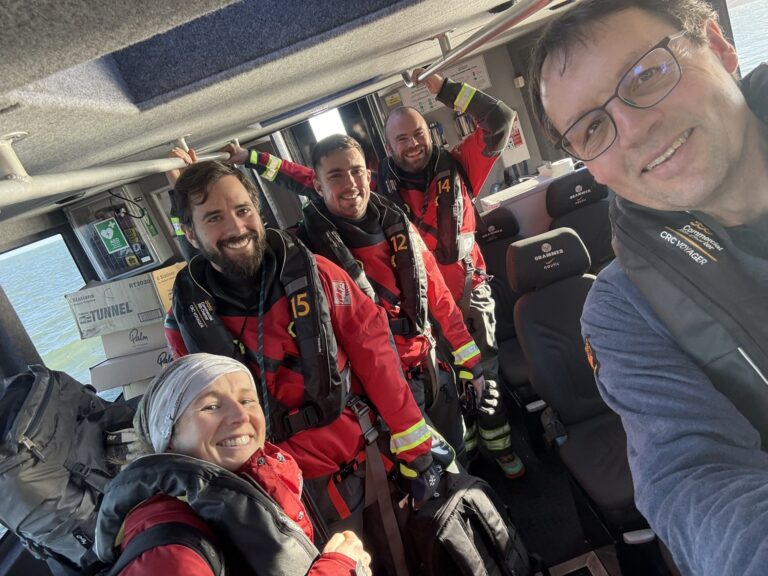
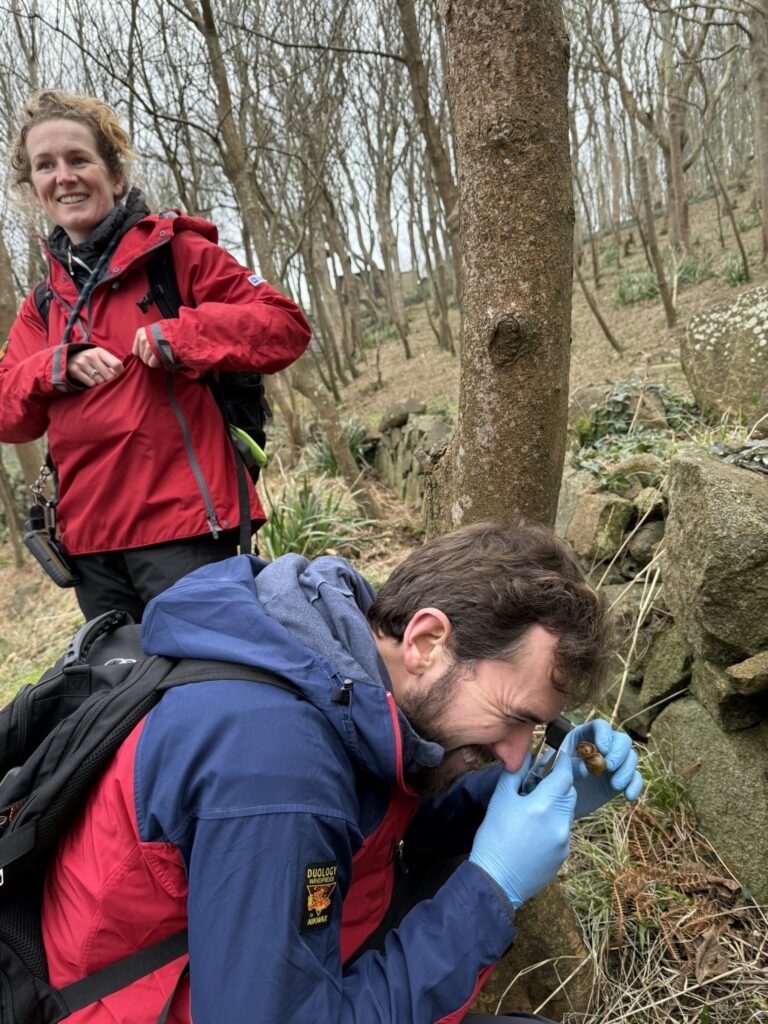
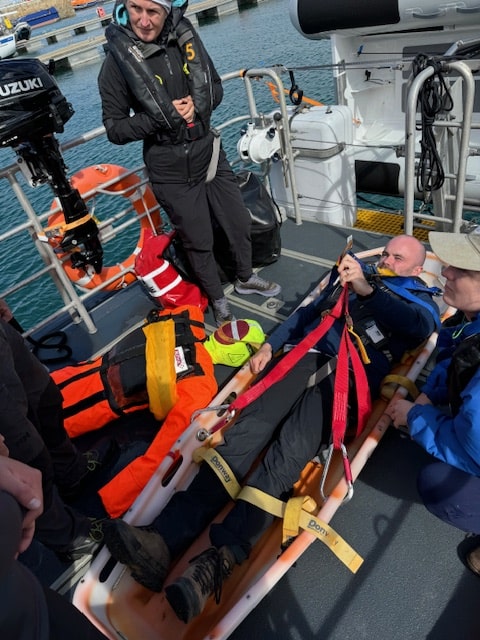
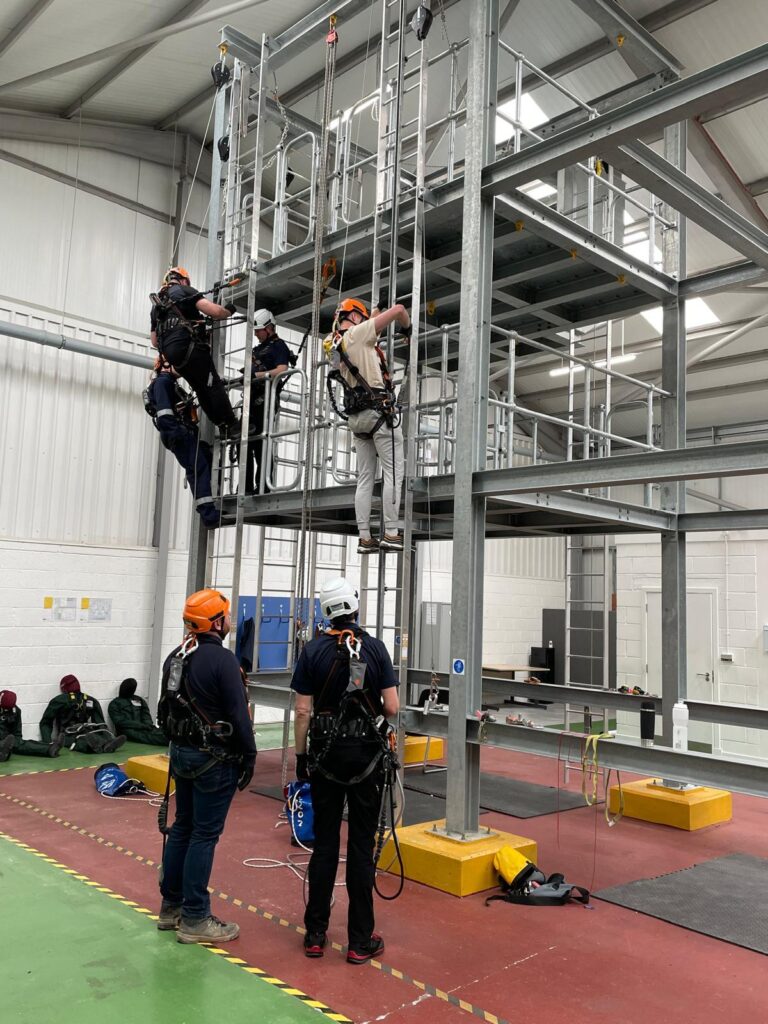
Today, HAR’s diverse team works with local communities and global partners to create lasting ecological change.
About The Project
A community-driven biosecurity plan that ensures the Wexford landmark of the Saltee Islands is preserved and the line against global extinction of seabirds is held.
About the project
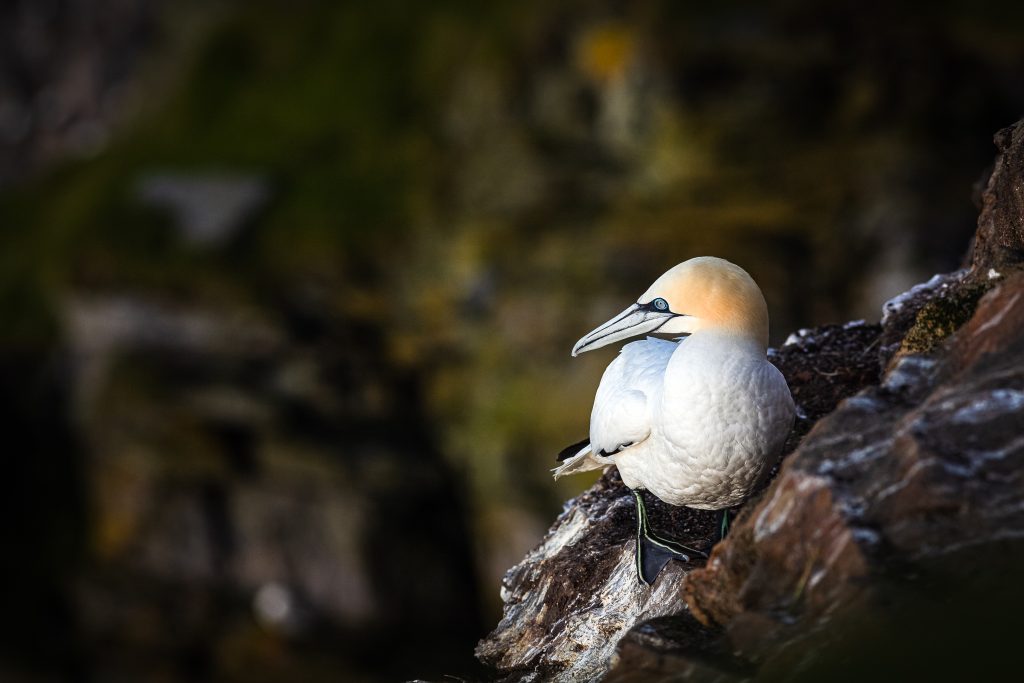
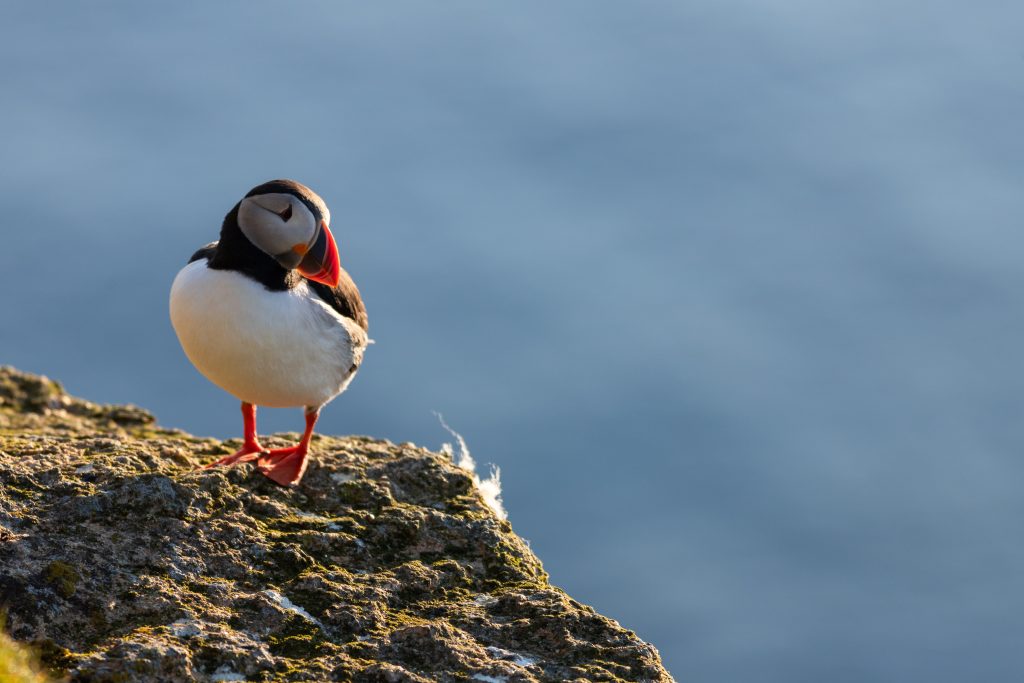
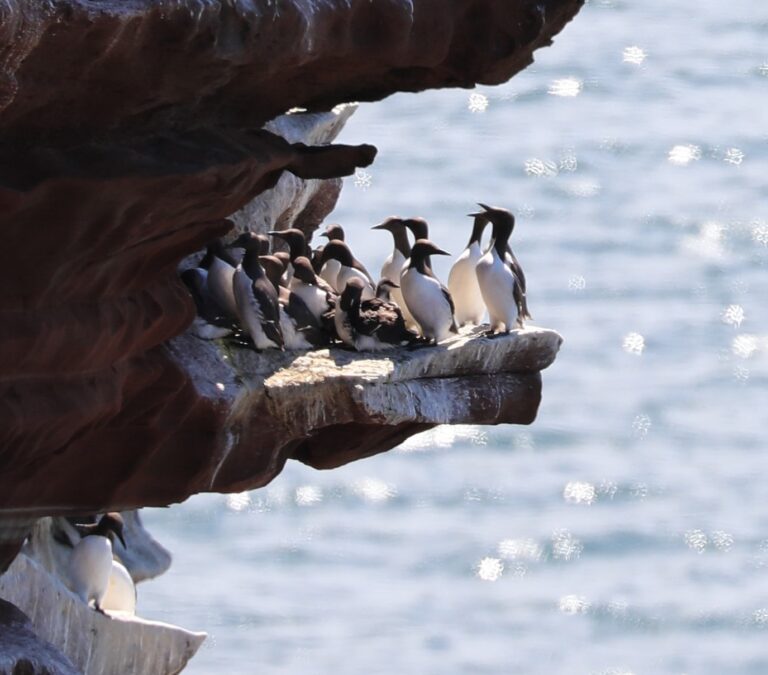
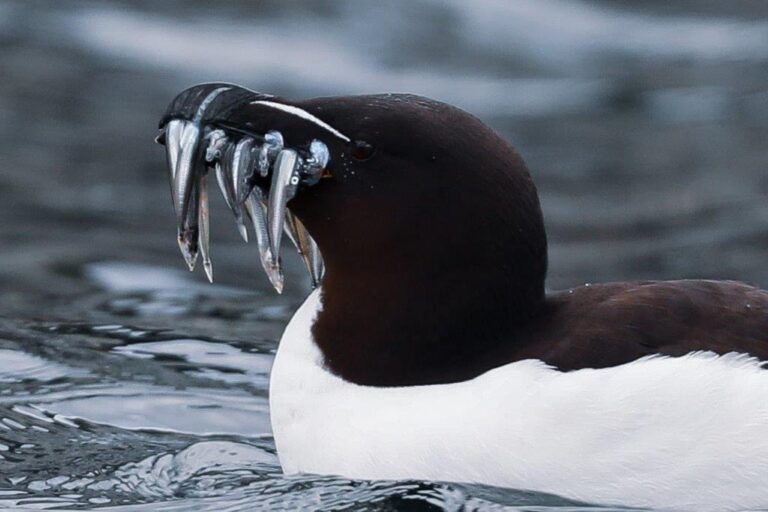
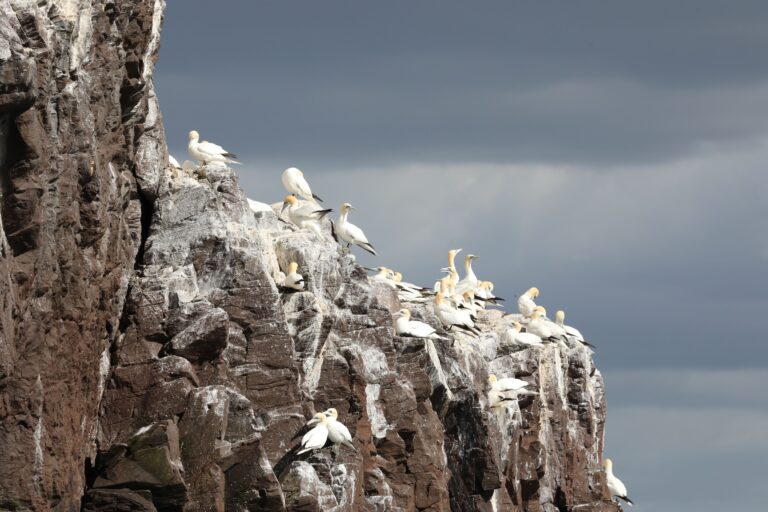
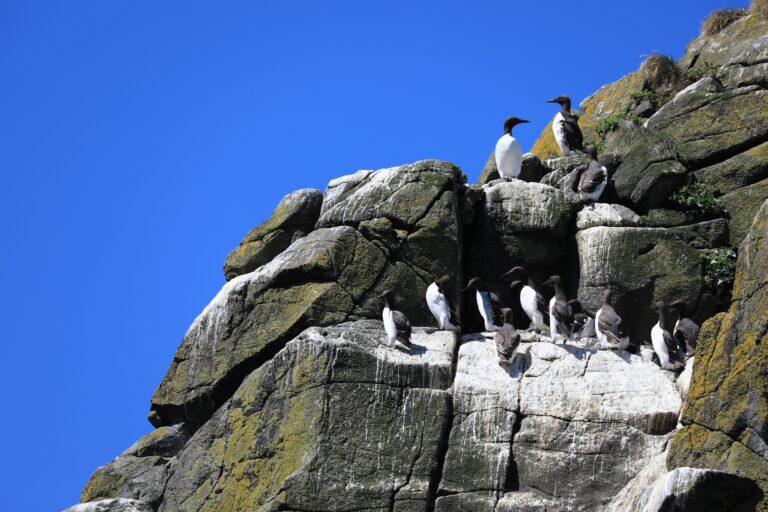
Rising from the Celtic Sea just off the coast of Wexford, the Saltee Islands are more than just landmarks—they are vibrant, living sanctuaries. While the fishing village of Kilmore Quay thrives on the surrounding rich waters, the islands themselves host some of Ireland’s most significant seabird colonies. Since the COVID 19 pandemic, a new wave of visitors has fallen in love with the rugged landscape of Great Saltee, drawn by the iconic sight of puffins and gannets nesting on the cliffs.
However, this local treasure exists within a fragile global context. While islands make up only about 5% of the Earth’s landmass, they have been the site of 75% of bird, amphibian, and reptile extinctions worldwide. The primary culprit? Invasive, non-native species. On a global scale, the introduction of non-native predators such as rats and mink into island ecosystems is a leading drivers of biodiversity loss. Because island species evolve without these invasive predators, they are uniquely vulnerable; for a ground-nesting puffin, a single “hitchhiking” rodent can spell disaster for an entire colony.
Seabirds are vital to ecosystem health, balancing island environments and playing an essential role in global nutrient cycles. Without them, ecosystems would face collapse.
Project Vision
Protect the seabird populations across the Saltee Islands across and inspire future generations of stewards to preserve and celebrate the islands' seabird heritage.
The Saltee islands are free from invasive mammals and since successfully eradicating rats from Great Saltee in 2022, ecologists from the National Parks and Wildlife Service have seen a steady rise in puffin numbers. But as human visitors flock to the islands each summer, they bring the risk of accidentally transporting invasive species back onto the islands.
Project Strategy
Bespoke Biosecurity Plan
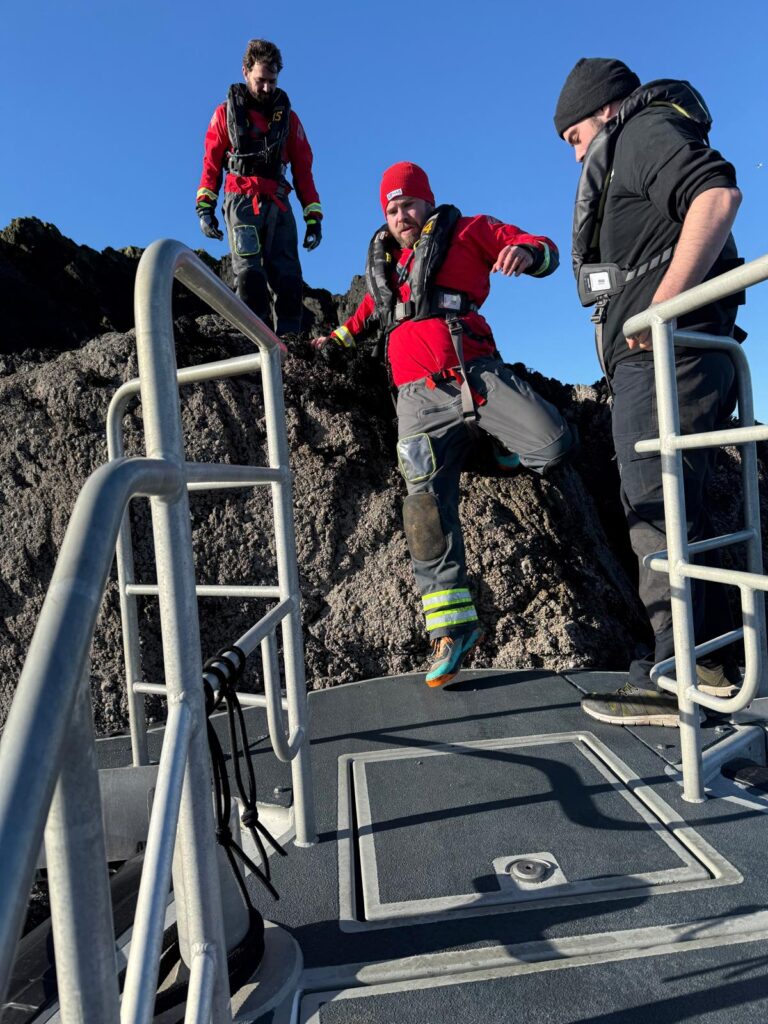
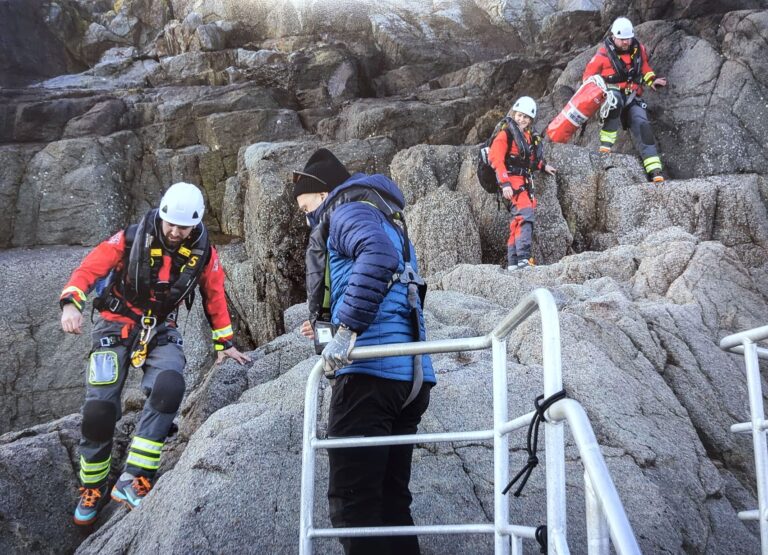
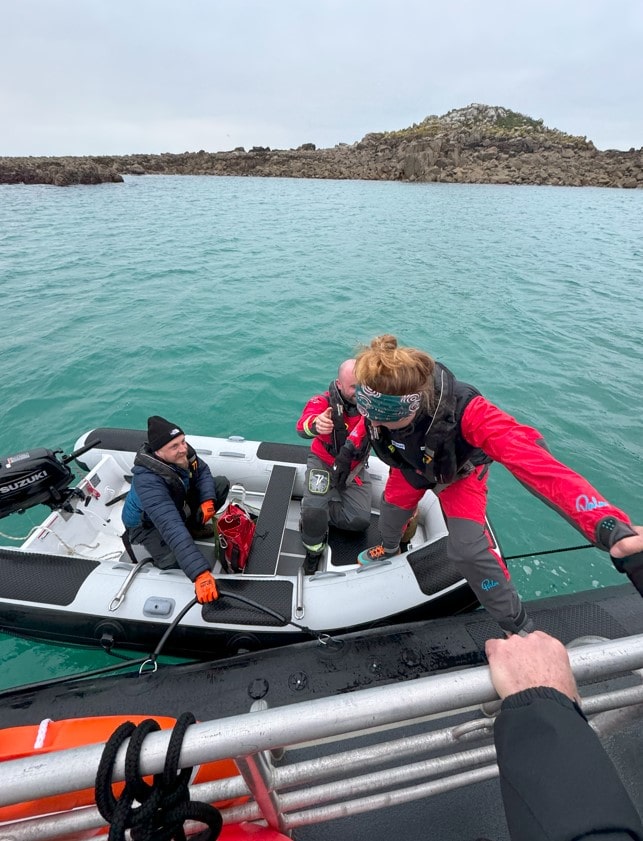
To safeguard the islands, the National Parks and Wildlife Service (NPWS) commissioned Habitat Assessment & Restoration (HAR) to craft a bespoke Biosecurity Plan. This strategy is part of a worldwide movement to “future-proof” island sanctuaries. By identifying every potential “pathway”—the routes predators take, whether by swimming or stowing away in a boat’s hull or a visitor’s bag—this community-driven plan ensures the Saltee islands remain a safe haven. By protecting the Saltee Islands, we aren’t just preserving a Wexford landmark; we are holding the line against a global extinction crisis.
FAQS
What is a biosecurity plan?
A biosecurity plan identifies and manages pathways that invasive species could use to reach sensitive ecosystems. HAR works with local stakeholders to ensure plans are realistic, understood, and effective.
Can HAR help design a biosecurity plan to protect your islands ecology?
HAR develops bespoke, site-specific biosecurity plans by identifying risk pathways and practical prevention measures. HAR does this in collaboration with local communities to ensure resilience over time.
Who needs a biosecurity plan?
Biosecurity plans can be implemented on a countrywide scale to small islands to across trade routes. We have worked alongside various bodies to design and implement biosecurity plans which include land managers, conservation bodies, island authorities, renewable energy developers and organisations working in sensitive environments.
Commissioned by
Delivered By
JOIN THE TEAM
Join us in protecting wildlife and restoring habitats
JOIN THE TEAM
We believe that restoring biodiversity is essential to reducing climate change and securing a thriving planet for future generations. If you have a similar mindset and are interested in joining us then please get in touch.